
Category: Electrical Waste Recycling
-
Common mistakes organisations make when disposing of IT equipment
Effective IT equipment disposal is crucial for data security, compliance, and reputation. Common mistakes include assuming deleted data is unrecoverable, inadequate chain of custody, and poor handling of removable media. Organisations need clear processes, responsibility, and appropriate use of destruction services to mitigate risks and ensure compliance with regulations.
-
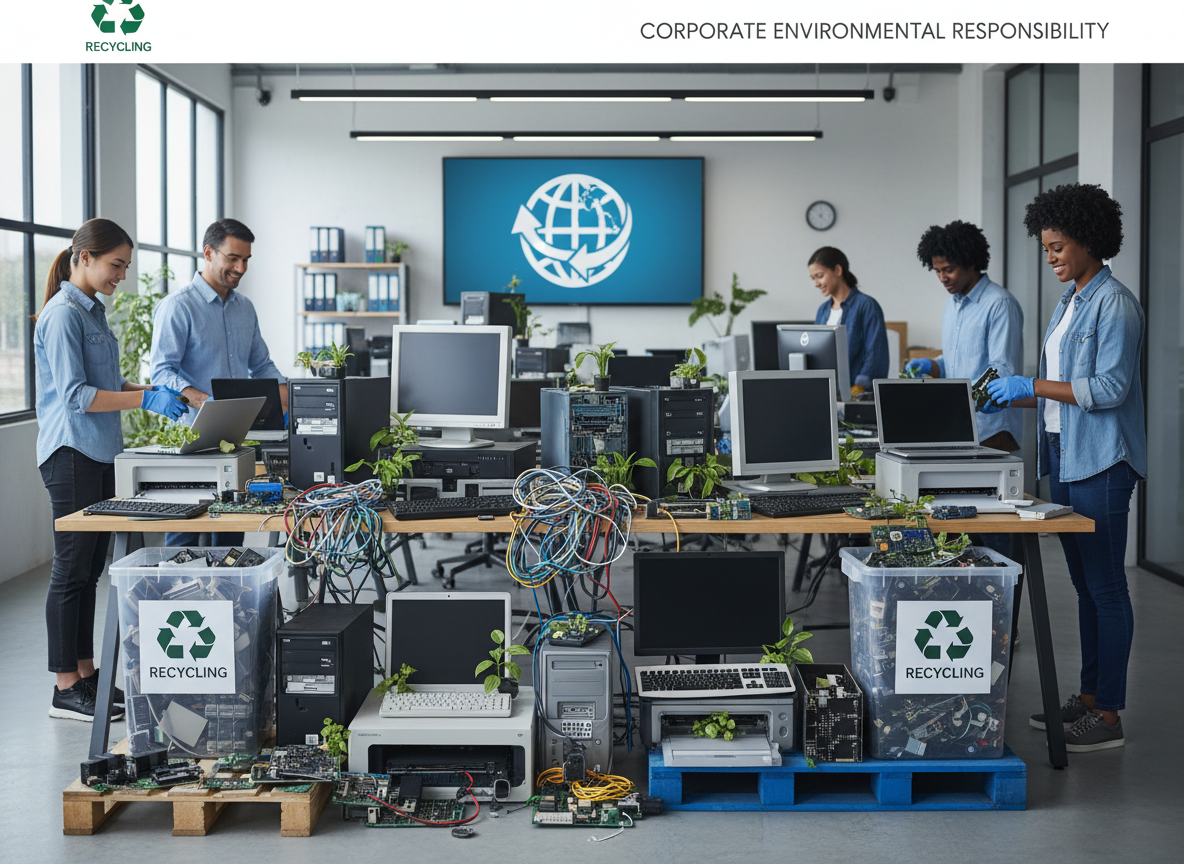
Beyond the Bin: The Impact of Electronic Waste Recycling on Our Planet
The content highlights the urgent e-waste crisis, caused by rapidly increasing discarded electronics impacting health and the environment. It emphasizes legal obligations under the WEEE Directive for proper disposal and recycling. Organizations are urged to implement effective management systems, prioritize sustainability, and collaborate with compliant providers like PaperMountains for responsible e-waste handling.
-
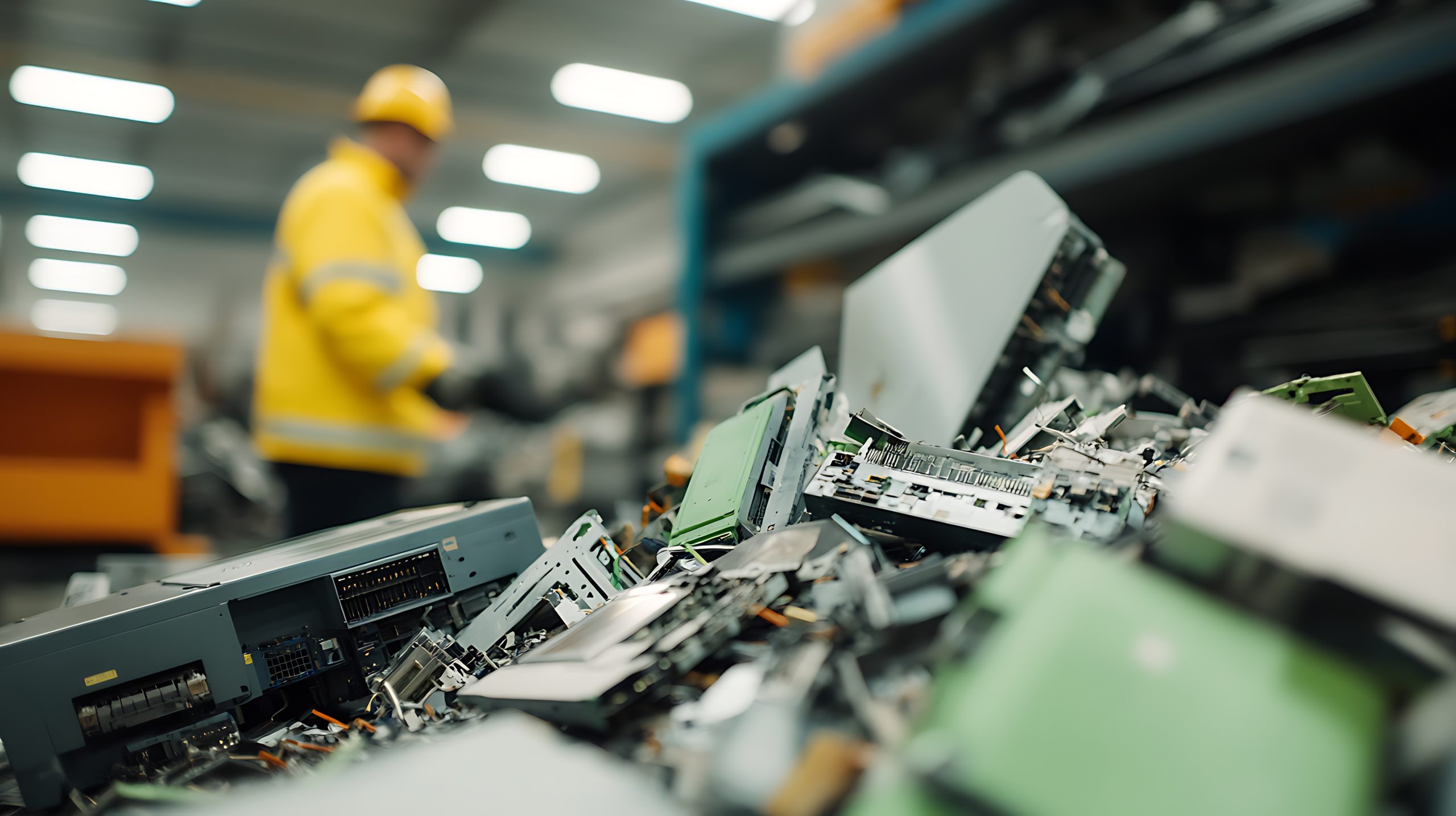
The Life Cycle of Your Electronics: How E-Waste Recycling Creates a Greener Future
E-waste recycling plays a vital role in managing electronic waste, reducing environmental harm, and conserving resources. The process involves collecting, dismantling, and processing discarded electronics, ensuring valuable materials are reused. Companies like PaperMountains promote sustainable practices, creating green jobs and enhancing data security, while individuals can support these efforts through responsible disposal and purchasing choices.
-
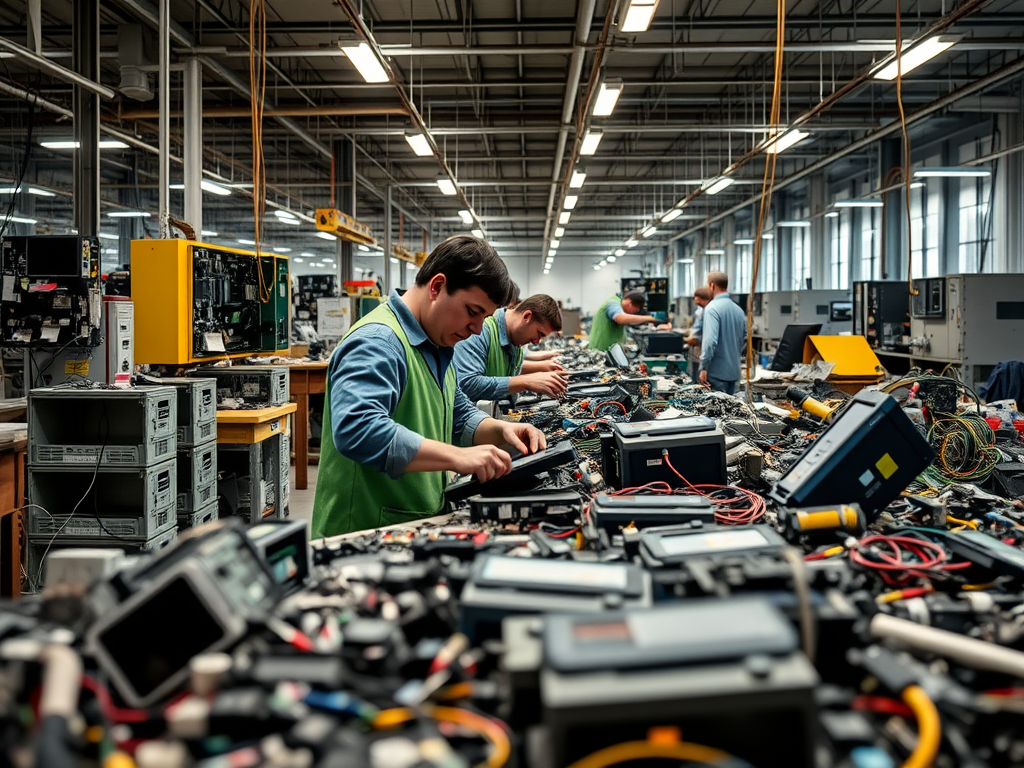
WEEE Recycling 101: Navigating the Ins and Outs of Sustainable Electronics Disposal
The guide emphasizes the importance of proper electronic waste recycling through WEEE practices, which help recover valuable materials and prevent environmental pollution. It outlines the e-waste recycling process, addresses challenges like consumer awareness, and advocates for community initiatives to enhance recycling rates. Responsible disposal of e-waste promotes sustainability and protects the environment.
-

From Trash to Treasure: The Importance of Electronic Waste Recycling with PaperMountains
Electronic devices are essential in modern life, leading to significant electronic waste, or e-waste, which poses environmental hazards. The UK alone produced 1.6 million tonnes in 2024-2025, with inadequate recycling. Companies like PaperMountains play a vital role in responsible e-waste recycling, maximizing resource recovery, protecting data, and promoting sustainability.
-
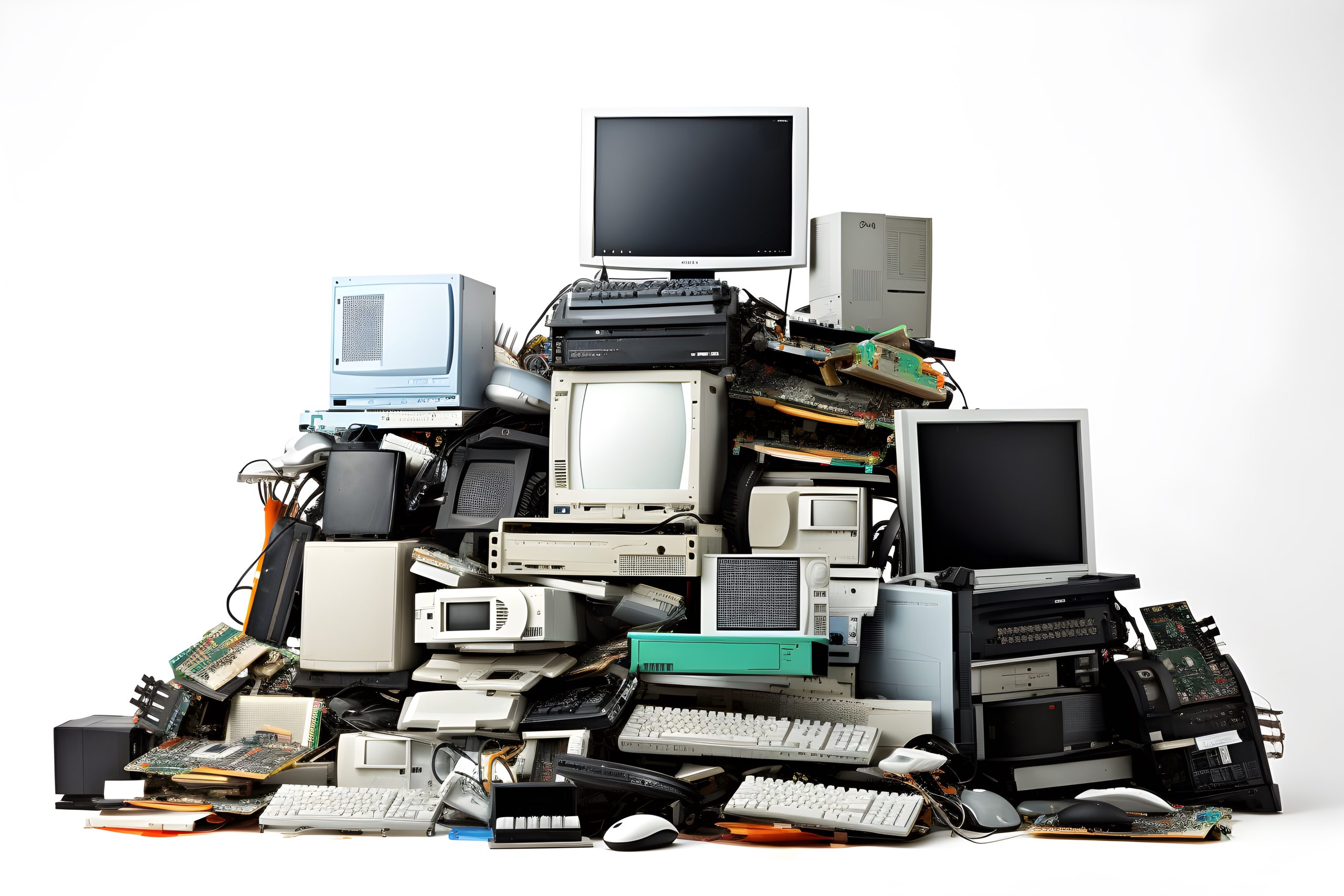
Unplugging E-Waste: Your Essential Guide to Effective E-Waste Recycling
The growing issue of electronic waste (e-waste) threatens the environment as discarded devices accumulate in landfills. Responsible disposal and recycling are essential to protect natural resources and comply with regulations. PaperMountains offers e-waste recycling services, aiming to promote sustainable practices and encourage citizens to recycle their old electronics effectively.