
Identity theft is often discussed as an online problem. People are warned about weak passwords, suspicious emails and fake websites. While those risks are real, many cases of fraud still begin with something much simpler: paper documents that have been kept too long, stored carelessly or thrown away without being securely destroyed. Old bank statements, utility bills, insurance documents, medical letters and tax paperwork can all contain personal details that are valuable to criminals. For that reason, using a professional residential paper shredding service is one of the most sensible ways to protect yourself and your household.
Many people underestimate the amount of confidential paperwork they hold at home. It builds up gradually in drawers, filing boxes, cupboards and loft spaces. A few letters each week soon become several years of records. Some of these documents may no longer have any practical use, but they still contain names, addresses, account numbers, signatures and other identifying details. If they are placed in general waste or standard recycling without secure destruction, they can create an avoidable risk. Proper shredding removes that risk and gives households a safer, more responsible way to deal with sensitive paperwork.
Personal document shredding is not only about fraud prevention. It is also about peace of mind, organisation and making sure confidential information is handled properly from start to finish. Whether you are clearing out old files, helping a relative sort through paperwork, preparing for a house move or simply trying to reduce clutter, secure shredding can make the process far easier. It offers a practical solution for people who want to protect their identity while also creating a more organised home environment.
Why paper documents still create a serious security risk
In a world shaped by digital technology, it is easy to assume that paper records are no longer a major concern. In reality, physical documents remain highly useful to fraudsters. A discarded letter can reveal enough information to support identity theft, account fraud or targeted scams. Even a small amount of personal data can be combined with other details to create a fuller picture of someone’s identity.
Documents linked to banking, pensions, healthcare, insurance and household accounts are especially sensitive. They may include full names, addresses, policy numbers, account references and payment details. Criminals do not always need complete files to cause harm. A few pieces of information taken from multiple documents can be enough to support fraudulent activity. This is why secure disposal matters just as much as secure storage.
Households are often less disciplined than businesses when it comes to document retention and destruction. In an office, confidential waste may be placed in locked consoles or collected by a specialist contractor. At home, unwanted paperwork is more likely to be stuffed into a bag for later sorting or dropped into a recycling bin without much thought. That informal approach can leave sensitive information exposed.
The risk is not limited to financial fraud. Personal documents can also reveal medical information, legal matters, school details and family circumstances. For many people, the idea of this information being seen by strangers is deeply uncomfortable. Secure shredding gives households a way to reduce that exposure and take control of how confidential records are disposed of.
The types of personal paperwork that should never go in general waste
One of the biggest reasons paperwork accumulates is uncertainty. People are not always sure what needs to be kept, what can be thrown away and what should be securely destroyed. As a result, boxes of old documents often remain untouched for years.
In general, any document that contains information which could identify you, your family or your finances should be treated as confidential. Common examples include bank statements, credit card statements, utility bills, council tax letters, medical records, insurance documents, pension paperwork, payslips, tax records, legal correspondence and school letters that include family details. Copies of passports, driving licences and other identity documents should also be destroyed securely when no longer needed.
Even paperwork that appears harmless at first glance can contain useful fragments of information. A letter from a service provider may confirm your address. A statement may show part of an account number. A medical appointment letter may reveal your date of birth or NHS details. When several documents are pieced together, they can provide a far clearer picture than you might expect.
This is where a professional home paper shredding service becomes especially valuable. Instead of trying to decide whether each individual sheet is safe to discard, households can take a more cautious and practical approach by securely destroying batches of old confidential paperwork in one go. That saves time and reduces the chance of sensitive records slipping through the net.
Why home shredders are often not enough
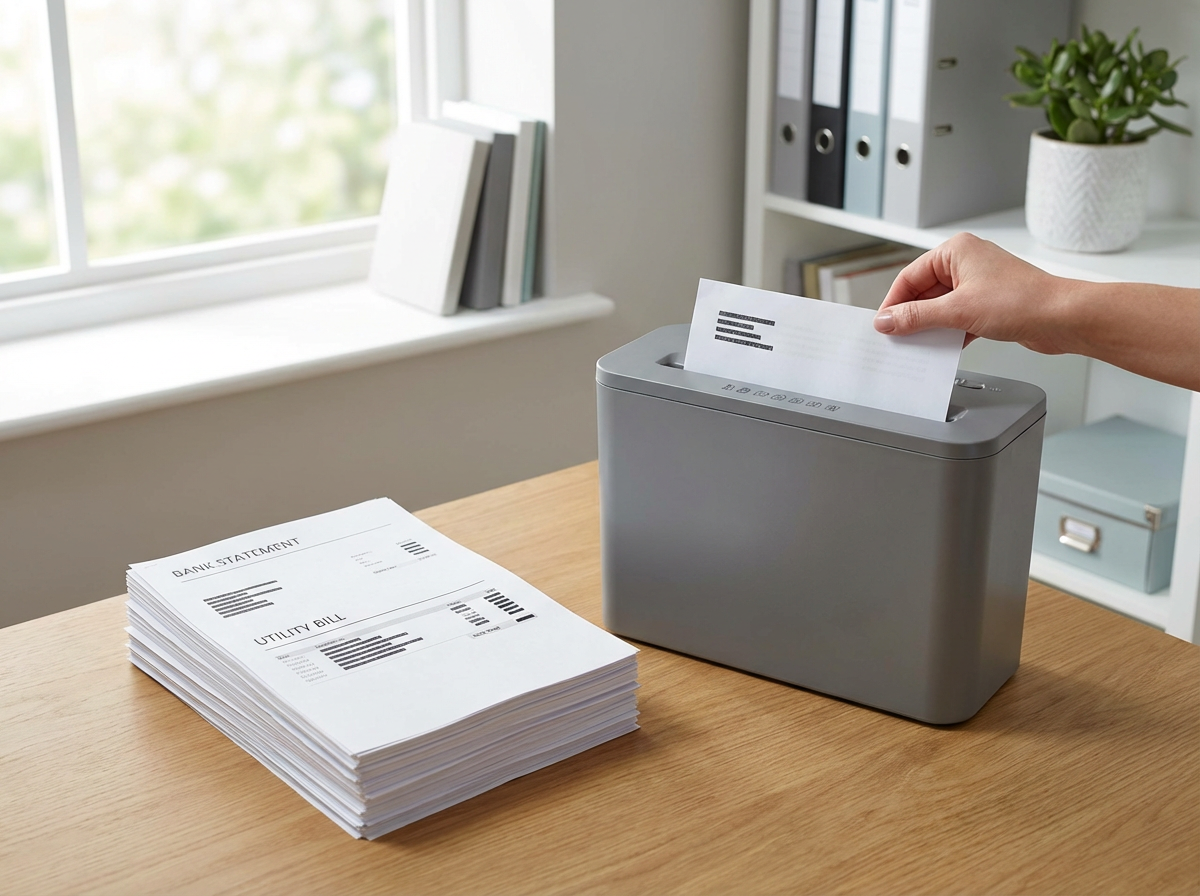
Some households buy a small shredder and assume the problem is solved. For light use, that may seem reasonable. In practice, domestic shredders are often inconvenient and unsuitable for larger clear-outs. They are usually slow, noisy and limited in the number of sheets they can handle at once. They can overheat, jam or require frequent emptying. If you are dealing with several bags or boxes of paperwork, the process quickly becomes frustrating.
There is also the issue of consistency. When shredding is done at home, it is easy to stop halfway through, leave piles of documents unattended or decide that some papers are not worth the effort. Partly shredded documents may still need to be bagged and disposed of. The task can drag on for days or weeks, which increases the chance that confidential information remains exposed in the meantime.
A professional shredding service is designed to remove that burden. Larger volumes can be handled efficiently, and the process is managed in a way that prioritises confidentiality. For households with years of accumulated paperwork, this is often the most practical choice. Rather than feeding a few sheets at a time into a domestic machine, you can arrange secure destruction for the whole backlog.
The convenience matters, but so does the reassurance. When people search for personal shredding services near me, they are often looking for more than speed. They want confidence that the job will be handled properly, without the stress and uncertainty of doing it themselves. That peace of mind is a major part of the value.
Life situations where personal shredding becomes especially important
There are certain points in life when confidential paperwork tends to build up quickly or become more difficult to manage. Moving house is a common example. During a move, people often uncover years of old files while packing cupboards, lofts and spare rooms. At the same time, they are dealing with enough practical pressure already. Secure shredding helps reduce the volume of paper and removes the need to transport unnecessary confidential records from one property to another.
Another common situation is helping elderly relatives with paperwork. Families may need to sort through financial records, medical letters and household documents on behalf of parents or other relatives. This can be time-consuming and emotionally demanding, especially if a relative is downsizing, moving into care or dealing with ill health. A professional shredding service can make the process more manageable by providing a clear and secure way to dispose of outdated records.
Bereavement and estate administration can also generate large quantities of sensitive paperwork. In these circumstances, families are often dealing with legal, financial and personal documents all at once. Secure destruction helps protect private information while allowing people to focus on the wider responsibilities they are facing.
Even without a major life event, many households simply reach a point where paperwork has become unmanageable. Filing systems break down, drawers overflow and important documents become harder to find because they are mixed in with years of outdated material. Shredding old confidential records can be the first step towards restoring order.
The link between secure shredding and household organisation
Although identity protection is the main reason many people seek shredding services, the organisational benefits should not be overlooked. Excess paperwork takes up space, creates visual clutter and makes it harder to stay on top of essential records. When confidential documents are securely destroyed once they are no longer needed, households can keep only what is relevant and useful.
This makes day-to-day life easier. Important papers are simpler to locate. Storage space is freed up. Home offices, cupboards and spare rooms become more functional. For people trying to create a tidier and less stressful home environment, dealing with old paperwork can have a noticeable impact.
There is also a psychological benefit. Unsorted paperwork often sits on a mental to-do list for months or years. People know it needs attention, but the task feels too dull or too large to tackle. Once it has been dealt with properly, there is a genuine sense of relief. Secure shredding turns a lingering problem into a completed job.
For busy professionals, parents and carers, that matters. Time is limited, and tasks that can be handled efficiently are far more likely to get done. A specialist shredding service removes a job that many people would otherwise keep postponing.
Environmental responsibility matters too
Secure disposal should not come at the expense of responsible waste handling. Many households want reassurance that confidential paperwork will be dealt with in an environmentally sensible way. This is another reason to use a reputable provider rather than relying on ad hoc disposal methods.
When shredding is handled professionally, paper can often be directed into appropriate recycling streams after destruction. That means households can reduce the risk of identity theft while also supporting a more responsible approach to waste. For people who are clearing large volumes of paper, this is an important additional benefit.
Environmental responsibility is particularly relevant when households are trying to reduce clutter in a thoughtful way. Throwing bags of paperwork into general waste may feel quick, but it is not the best outcome for confidentiality or sustainability. Secure shredding offers a more careful alternative.
What to look for in a personal shredding provider
Not all disposal options offer the same level of protection. If you are choosing a provider, it is worth considering how seriously they take confidentiality, how straightforward the process is and whether the service is practical for domestic customers.

A good provider should make it easy to arrange secure destruction without unnecessary hassle. Clear communication is important, especially for households that may be using a shredding service for the first time. Reliability also matters. People want to know that collections and handling will be carried out professionally and that confidential paperwork will not be left exposed.
Experience is another factor. A company that regularly handles sensitive documents is more likely to understand the importance of secure processes and customer trust. For domestic customers, this can make a real difference. The service should feel simple, but the standards behind it should still be robust.
PaperMountains offers a home shredding service designed to help people dispose of personal documents securely and conveniently. For households with bags or boxes of confidential paperwork, this provides a practical route to safer disposal without the limitations of home shredders or the risks of general waste.
Why acting now is better than waiting
Many people know they should deal with old paperwork but keep putting it off. The pile grows, the task feels bigger and the risk remains. Waiting rarely makes the job easier. In fact, the longer documents are kept unnecessarily, the more likely they are to be misplaced, damaged or thrown away carelessly during a rushed clear-out.
Taking action now helps reduce that risk. It also prevents confidential paperwork from continuing to occupy valuable space in your home. Whether you have one box of old files or several years of accumulated records, secure shredding gives you a clear way forward.
There is also a seasonal aspect for some households. Spring cleaning, house moves, renovations and end-of-year clear-outs often reveal just how much paper has built up over time. These moments are a good opportunity to review what is genuinely worth keeping and what should be destroyed securely.
The key point is simple: confidential paperwork should not linger indefinitely just because sorting it feels inconvenient. A professional service removes that barrier and helps you complete the task properly.
Final thoughts
Protecting your identity is not only about online behaviour. It also depends on how you manage the physical documents in your home. Old statements, bills, medical letters and financial records may seem harmless when left in a drawer or dropped into a bin, but they can contain exactly the information that fraudsters need. Secure destruction is one of the simplest and most effective ways to reduce that risk.
Professional shredding also brings wider benefits. It helps households clear space, stay organised, reduce stress and dispose of paper responsibly. For people dealing with a backlog of confidential paperwork, it offers a practical alternative to slow and unreliable home shredders.
Ready to clear out confidential paperwork and protect your personal information? PaperMountains makes home shredding simple, secure and hassle-free. Book your home shredding service today by calling 01634 980204 or visit https://www.papermountains.com/home-shredding-service to get started.
Keep Me Up To Date
Fill out your email address bellow and we will let you know when another great article like this drops into the PaperMountains Digest and keep you up to date with whats happening at PaperMountains and News from the document management world in general.
Leave a Reply