
Introduction
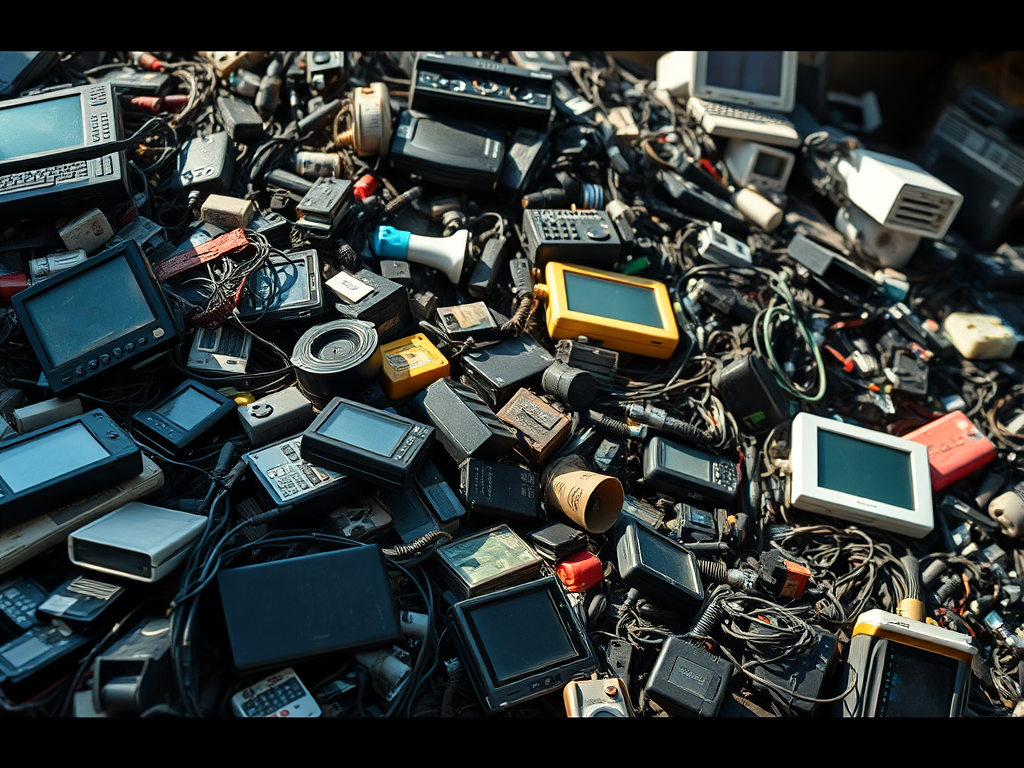
In an era dominated by technological advancements, the disposal of electronic waste, commonly referred to as e-waste, has become a pressing environmental concern. Understanding the importance of proper disposal through WEEE (Waste Electrical and Electronic Equipment) recycling is not only a responsible practice but also a sustainable one. This detailed guide aims to equip you with the knowledge needed to navigate the complexities of electronic waste recycling effectively.
Understanding WEEE Recycling
WEEE recycling refers to the process of collecting, dismantling, and processing electronic waste in an environmentally friendly manner. This involves recovering valuable materials such as metals and plastics, while ensuring hazardous substances are safely disposed of. By adhering to WEEE regulations, manufacturers and consumers can minimise the environmental impact of obsolete electronics and contribute to a circular economy.
The Importance of Proper Electronic Waste Recycling
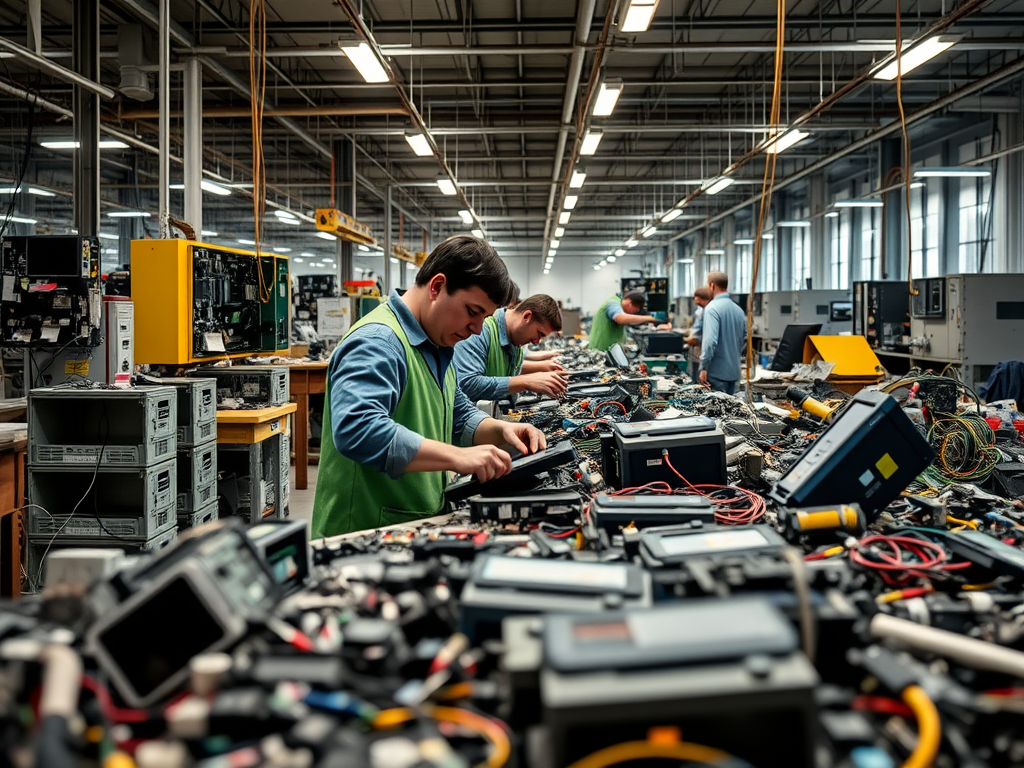
Proper electronic waste recycling is crucial for several reasons. Firstly, it prevents harmful substances found in electronics, like lead and mercury, from polluting our soil and waterways. Additionally, recycling e-waste conserves natural resources by recovering materials that can be reused in manufacturing. This not only reduces the need for raw material extraction but also decreases overall greenhouse gas emissions.
Navigating the E-Waste Recycling Process
The e-waste recycling process is straightforward yet effective. Initially, electronic devices are collected and transported to specialised facilities. Here, they are manually dismantled to separate hazardous components from recyclable ones. Advanced techniques such as shredding and chemical extraction are then used to reclaim valuable metals and plastics, ensuring nothing goes to waste.
Challenges in WEEE Recycling and How to Overcome Them
Despite its benefits, WEEE recycling faces significant challenges, including lack of consumer awareness and inadequate infrastructure. To overcome these hurdles, initiatives like community awareness programs and investment in recycling facilities are vital. Collaborations between governments, manufacturers, and consumers can drive the change needed to improve WEEE recycling rates and practices.
Conclusion
As environmentally conscious consumers, it is our responsibility to ensure proper disposal of e-waste. By participating in WEEE recycling programs, we contribute to a sustainable future and protect our planet for generations to come. Explore more about responsible disposal practices and solutions at PaperMountains. Let’s make a concerted effort to embrace electronic waste recycling and champion an eco-friendly lifestyle today.
Keep Me Up To Date
Fill out your email address bellow and we will let you know when another great article like this drops into the PaperMountains Digest and keep you up to date with whats happening at PaperMountains and News from the document management world in general.
Leave a Reply